

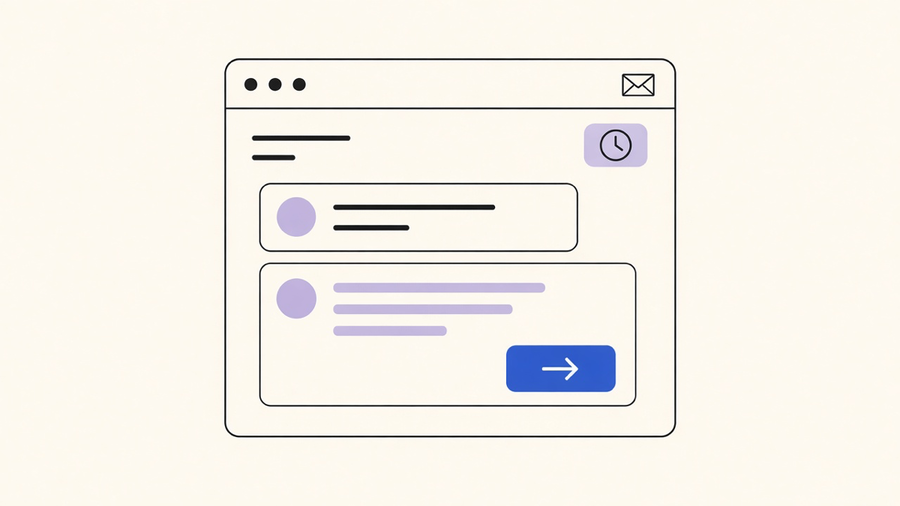
A sales follow-up email should reference the exact moment you last talked, add one new piece of value the prospect did not have before, and close with a single yes-or-no ask. That is the entire job. Reps blow it by treating the follow-up like a second first pitch, restating everything from the first email instead of moving the conversation one step forward. Pipedrive’s own research on the topic notes that reps lose 40% of their selling time to administrative tasks like manual data entry and switching between tabs, which is exactly why the follow-up gets written in five rushed minutes between calls instead of with any real thought.
When and how to send a follow-up after a sales touch
Timing carries more weight than most reps give it. RingCentral cites data showing leads contacted within five minutes convert nine times more often than leads contacted an hour later, and that number holds for the first follow-up after a demo or discovery call too. Wait a day and the meeting has already faded from the prospect’s calendar into “some vendor thing last week.”
That does not mean spam the inbox. Give a prospect three business days minimum before the second nudge, and space subsequent follow-ups out further, not closer together, as the deal stalls. A follow-up email after meeting notes should go out same day or next morning, while the conversation is still specific in both your head and theirs. Reference the exact detail they raised (the budget cycle, the integration they asked about, the colleague they said they’d loop in) rather than a generic “great chatting with you.”
The channel matters less than the specificity. Email wins for follow-up because it is asynchronous and searchable, a prospect can find your last message and skim the thread without a scheduling dance. A phone call works when the prospect explicitly asked for one. Everything else defaults to email, which is also the channel every CRM and sequence tool actually tracks, so you get open and reply data instead of guessing.
How to write a follow-up email that gets a reply
The mechanics of how to send a follow up email that earns a reply come down to three parts, in this order: reference, value, ask. Reference the last interaction in the first sentence, no throat-clearing. Add one thing they did not have before, a resource, an answer to a question they asked, a relevant case study, anything concrete. Then ask for exactly one decision.
Highspot’s research on this points at the same idea from a different angle: first follow-ups are known to boost reply rate by 49% over a single unanswered pitch sitting alone in an inbox. The follow-up is not a nagging afterthought, it is the message doing most of the actual work of moving a deal, and treating it as optional is why so many pipelines stall at “sent proposal, no response.”
Keep the body short. RingCentral recommends one paragraph in the 100 to 150 word range, short sentences, active verbs, no filler. A follow-up email example that fails this test usually restates the entire value proposition again, as if the first email never happened and the prospect needs to be sold from scratch. They don’t. They need one new reason to act now.
Subject lines matter more than reps assume. Personalized subject lines are 20% more likely to get opened, according to data RingCentral cites from Campaign Monitor, and a subject that references a specific detail (their name, their company, the exact thing discussed) beats a generic “Following up” every time. “Following up” is not a subject line, it is a confession that you have nothing new to say.
Sales follow-up templates and examples by situation
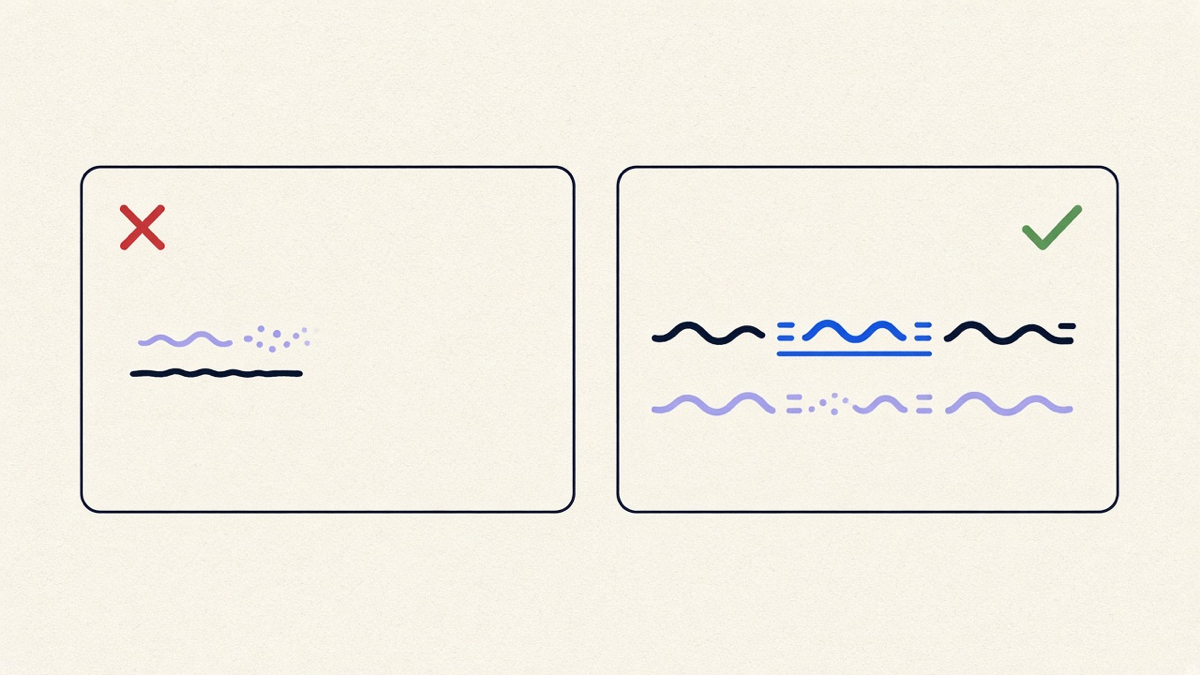
A follow-up sales email template only works when it matches the actual situation, not a one-size-fits-all script. The best sales follow up email examples all share the same shape even when the wording differs: reference, value, ask. Four situations cover most of a rep’s week:
No response after the first outreach. Reference the original email by date or topic, add a single new detail, ask if the timing is still relevant. Don’t apologize for following up. You didn’t do anything wrong by sending a second email.
Mistaken identity or wrong contact. Ask directly who owns the decision, and offer to loop them in yourself rather than asking the current contact to forward a cold pitch they have no incentive to pass along.
Post-demo silence. Reference the specific question raised in the demo, answer it if you didn’t already, and ask for a next meeting rather than a vague “let me know your thoughts.”
The final attempt, sometimes called a break-up email. State plainly that you’ll stop following up unless you hear back, and mean it. This works because it removes the guilt-driven non-reply and forces an actual decision, yes or no, instead of indefinite silence.
None of these need a 15-template swipe file memorized word for word. They need the reference-value-ask structure applied to whatever the prospect’s actual situation is that week. A rigid script read off a page sounds like a rigid script, and prospects can tell.
Most operators I talk to don’t have the bandwidth for a stack of templates they have to remember to customize. If a follow-up doesn’t fit a prospect’s actual situation, the honest move is to say so plainly and let them know what you do, so if they need it down the road, they reach out. That earns more replies over a year than chasing every lead with the same five-touch cadence regardless of fit.
Follow-up after a meeting: what actually changes
A follow-up email after meeting differs from a cold follow-up in one important way: you already have specifics to reference, so use them. Skip the recap of the whole meeting. Name the one commitment made (a proposal by Friday, a demo for their team, an intro to their finance lead) and confirm it’s still on track, or move it forward if it stalled.
Highspot’s data suggests 39% of go-to-market teams are actively investing in tools to personalize these touchpoints better, which tells you two things: reps know generic follow-ups underperform, and most of them still send generic follow-ups anyway because the personalized version takes actual thought, not just a tool subscription. Buying a sequencing platform doesn’t write the specific sentence that proves you were listening. A person still has to do that part.
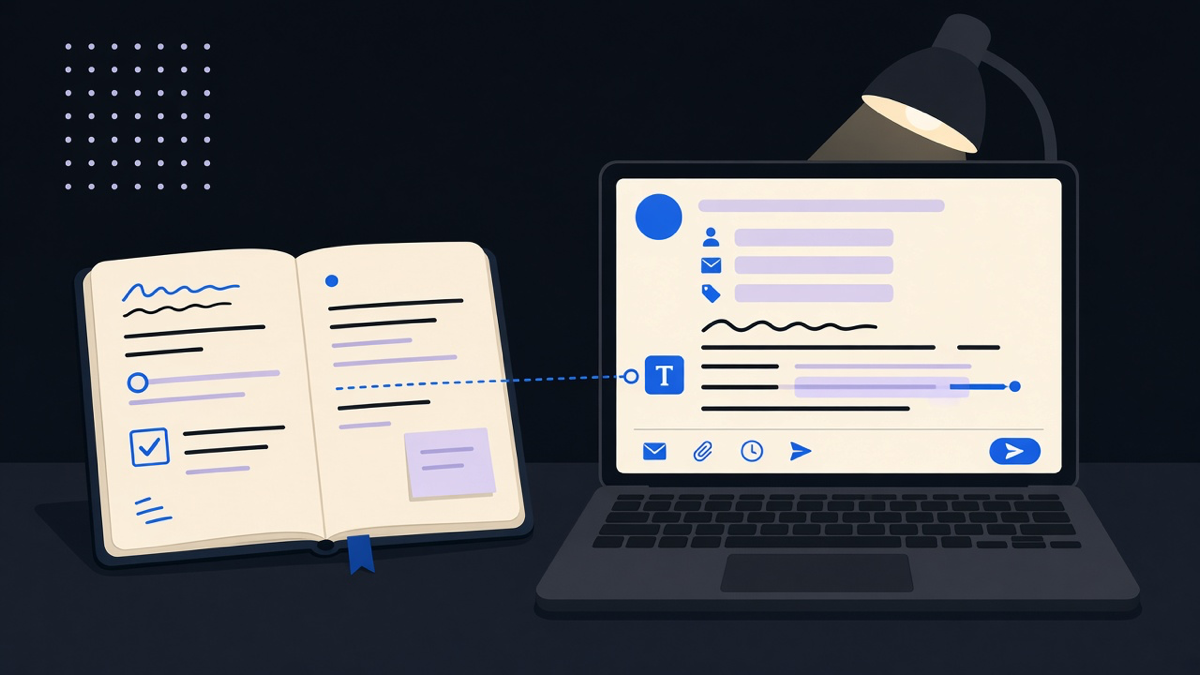
This is where sales email automation earns its keep or doesn’t. A sequence tool can remind a rep that a follow-up is due and log the send, but it cannot generate the one detail that makes the email worth opening. Use automation for the reminder and the tracking, not for writing the actual sentence that references what the prospect said about their Q3 budget freeze.
Turning a stalled thread into a closed deal
Most of what people call email follow up trouble is really a sequencing problem, not a writing problem. A stalled thread usually means the ask was too big or too vague, not that the prospect went cold. RingCentral’s research notes that 74% of buyers say they go with the first salesperson who adds real value, which is a strong argument for making every follow-up a small deposit of value rather than a repeated request for their time. A case study relevant to their industry, a specific answer to a question they asked, an intro to someone on your side who solves their exact problem. Each of those is worth more than “just checking in.”
If a thread has gone quiet after three or four honest attempts, that’s the moment for a sales sequence that automates the cadence so the rep isn’t manually tracking sixty open threads in a spreadsheet, while the rep’s actual time goes into writing the two or three follow-ups that need a human’s judgment. That split, an automated follow-up for the reminder and a written one for the exception, is the only version of the setup that survives contact with a real pipeline. I’d rather see a rep run 20 well-timed, specific follow-ups a week than 200 identical ones blasted through a tool with the personalization fields left blank. The cost of the smaller number is fewer total touches, and that’s a trade worth making when each touch actually lands.
Set up how to send a follow-up email automatically for the reminder and tracking layer only, and keep the actual writing in the rep’s hands for anything past the second touch. The follow up after a cold email sequence and the post-meeting follow-up are different jobs wearing the same subject line, and conflating them is how a good rep’s replies start looking like everyone else’s spam.