

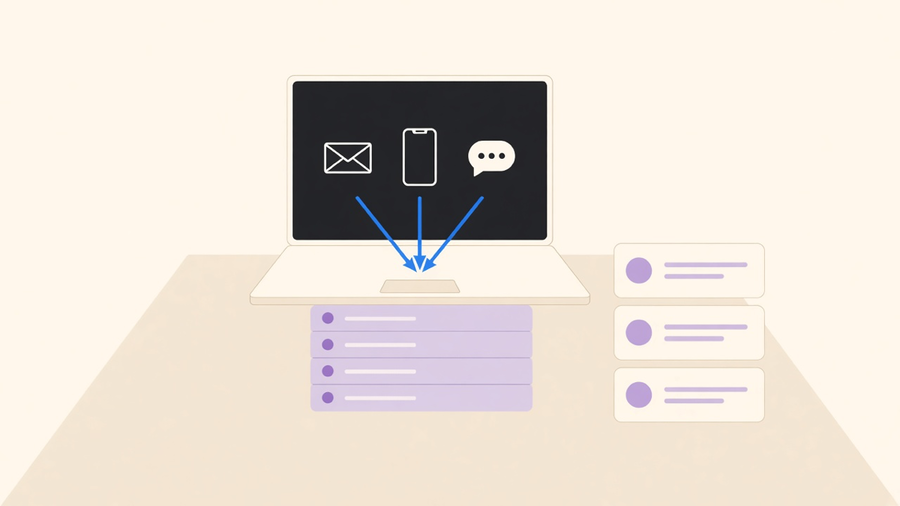
A sales engagement platform is software that automates and sequences outreach across email, phone, and social channels, then syncs every touch back to your CRM so nobody has to log a call by hand. That is the core job across every tool in the category, from Salesforce’s own Sales Engagement product to Outreach, Salesloft, Groove, and Revenue.io. The differences between them come down to how tightly they sit inside your CRM, how good the dialer and cadence logic is, and whether the “AI” layer is drafting real outreach from real signals or just wrapping a template in a buzzword.
What a Sales Engagement Platform Actually Is
ZoomInfo’s own breakdown of the category draws a clean line: sales engagement is not sales enablement, and it is not marketing automation. Enablement covers training, content, and onboarding. Marketing automation runs campaign-level nurtures, lead scoring, and paid ads through tools like Marketo or Pardot. Sales engagement is the layer where a rep actually executes: writing to one person, calling one person, sequencing the next touch for one deal. Your CRM, usually Salesforce or HubSpot, stays the system of record underneath all three, the same system of record sales force automation runs on top of.
The distinction matters because plenty of teams already own a marketing automation tool and assume it covers outreach too. It doesn’t, and treating it like it does is how reps end up manually tracking follow-ups in a spreadsheet next to a $40,000 platform they’re barely using. A sales email automation tool built for one-to-many marketing sends will mishandle the one-to-one cadence logic a rep needs, because it was never built to pause when a prospect replies mid-sequence.
Salesforce’s product page for its own engagement tool leans on the same framing from the CRM side: a single hub where reps work every channel, with cadences guiding what to do next and AI surfacing which prospects are worth the next call. The pitch is consistent across vendors because the underlying job is the same everywhere. What varies is execution quality, and execution quality is the only thing worth paying for here.
How Sales Cadence Actually Works
A sales cadence is the scripted sequence of touches a rep runs against a prospect: which channel, on which day, in what order. ZoomInfo’s guide gives a representative shape: email on day one, a phone call on day two, a LinkedIn message on day four, a follow-up email on day seven. The platform owns the scheduling and the reminders. The rep owns the personalization and the actual conversation.
That handoff is the whole value proposition, and it is also where most teams get the expectations wrong. The cadence engine will fire the email on schedule and log the call outcome without a click. It will not know that the prospect just got promoted, or that the last call ended with “call me back in Q2, not now.” Automation handles the “when.” A person still has to handle the “why does this prospect matter and what do I say to them.”
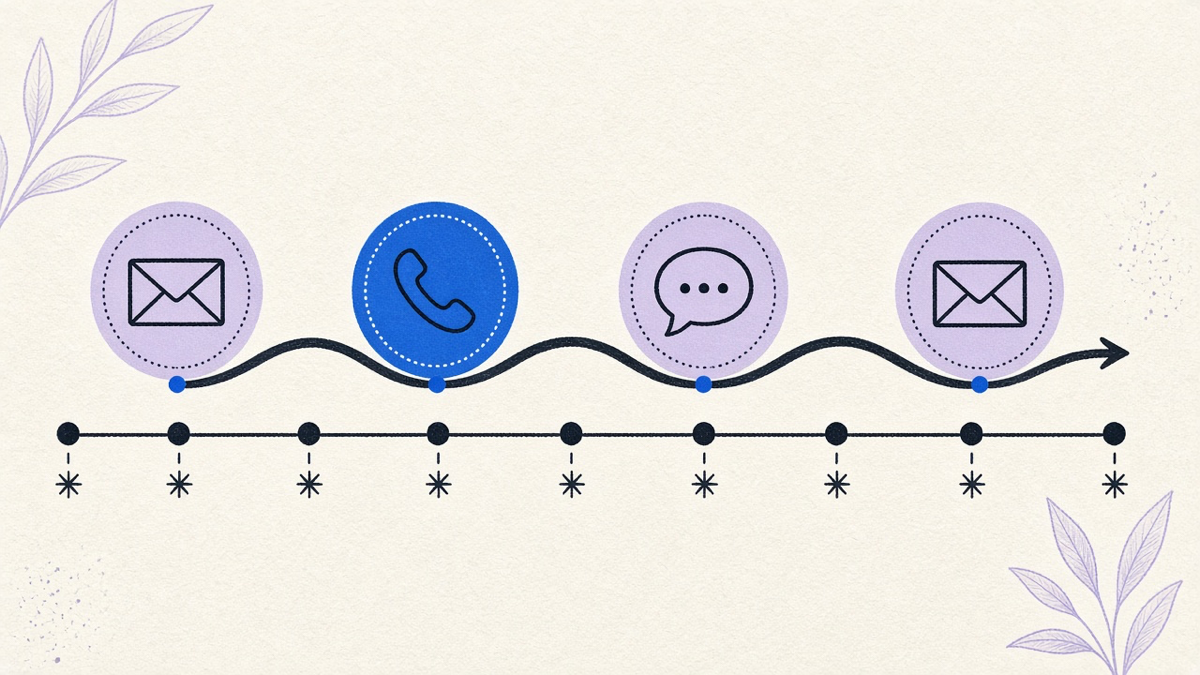
Phone still carries the most weight in this cadence, according to ZoomInfo, which calls it the highest-intent channel in B2B outreach, and describes a good dialer turning a 30-call morning into over 100 connections through parallel dialing and local presence numbers. That is a mechanical gain, not a persuasion gain. The dialer gets you more attempts. It does not make the pitch better once someone picks up.
Building a Sales Sequence That Doesn’t Read Like a Bot
A sales sequence is the actual content running inside a cadence: the specific email drafts, call scripts, and social messages tied to each step. This is where most sequences fail before the automation ever gets blamed. A four-step cadence with a generic template at every step just automates how fast a prospect gets annoyed.
The fix isn’t more AI, it’s more specificity earlier. The same discipline that makes cold outreach sequences work, a first line naming something real about the recipient’s company, a second line naming their actual problem, applies inside a platform-run sequence just as much as a manual one. The tool will happily send a bad sequence to five hundred people on schedule. Speed was never the missing ingredient.
I’d rank a shorter, sharper three-step sequence over a bloated eight-step one for most teams, because reply data across the space consistently shows most responses come from an early, well-aimed touch rather than sheer volume of attempts. The cost of that stance is real: fewer total touches means fewer chances if your targeting is off, so this only works if the list going into the sequence is already good. Garbage list, tight sequence, still garbage results.
Native Versus Non-Native Platforms
Revenue.io’s comparison of Salesforce-side tools lays out a real tradeoff worth naming directly: native platforms like Salesforce Sales Engagement and Groove write straight into Salesforce with no API sync, which means no sync delays and lower admin overhead, but you’re boxed into Salesforce’s own feature ceiling. Non-native platforms like Outreach and Salesloft bring heavier multichannel automation and deeper analytics, at the cost of API dependency and the occasional sync lag that creates what Revenue.io calls a shadow CRM, a second source of truth nobody fully trusts.
Most teams don’t need everything either category offers. That’s the pattern across this whole software class, honestly: a rep uses the cadence builder, the dialer, and the CRM sync, and never touches half the analytics dashboard the vendor demoed in the sales call. Buying the full platform for three features you’ll actually use is how a $1,200-a-seat tool ends up running at 20% utilization by month six.
If your team’s needs are narrower than a full platform, an email automation tools setup scoped to just the channels and CRM fields you use will outperform an underused enterprise suite, and it costs less to maintain.
Choosing Between a Platform and a Custom Build
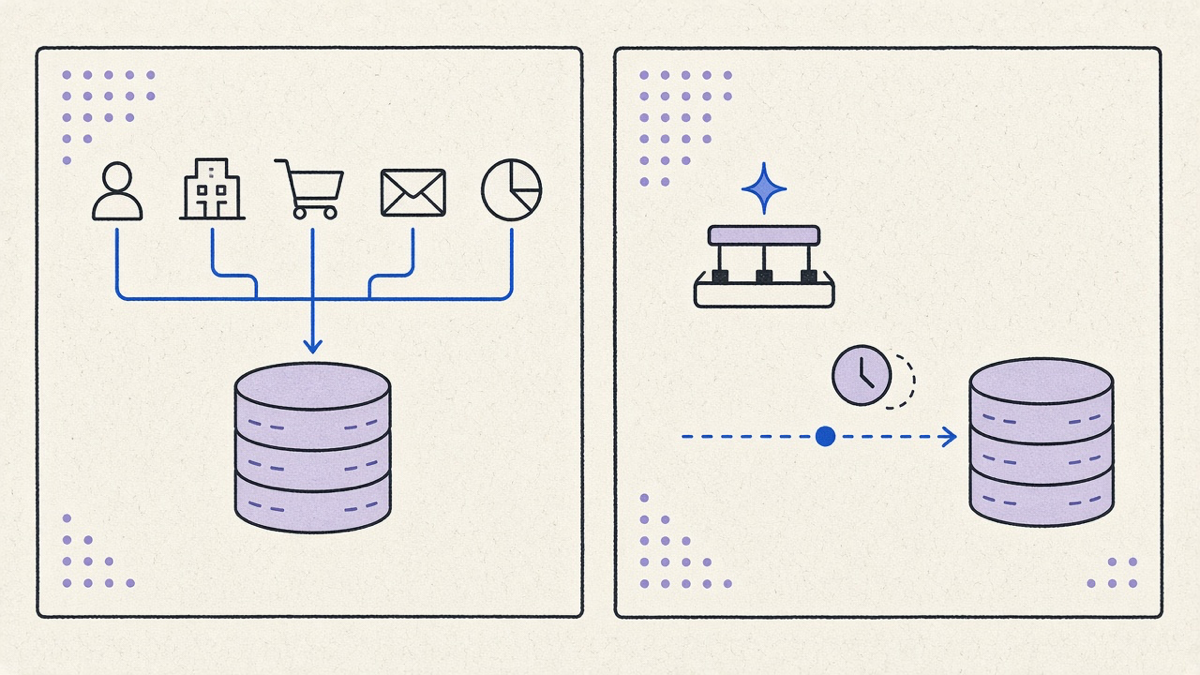
Every vendor in this space, Salesforce, Outreach, Salesloft, Groove, Revenue.io, is selling the same core mechanism with a different UI wrapped around it. If your process matches how one of those tools already thinks, buy it and move on. If your cadence logic has a genuine wrinkle, a routing rule tied to a field none of these tools expose, a trigger from a system they don’t integrate with, you’ll spend more time fighting the platform’s assumptions than you’d spend building custom sales sequences scoped to exactly what your team runs.
Neither path is wrong. The mistake is buying a full platform to solve a narrow problem, then discovering six months in that the team only ever used the part that sends a scheduled email and logs a call. Scope the tool to the job before the job gets scoped to the tool.