

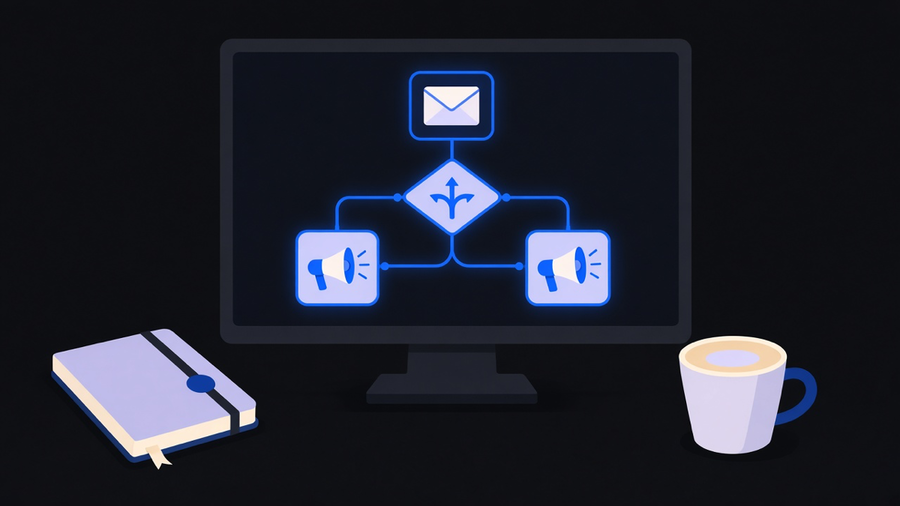
Marketing automation software is a tool that triggers marketing actions, emails, texts, ad list updates, lead scoring changes, based on a contact’s behavior or a set schedule, instead of a person doing it by hand every time. That’s the whole job. Everything else vendors add on top, from AI content generation to attribution dashboards, is a bet that you’ll pay for more than you use. Most of the time that bet pays off for the vendor, not you.
What marketing automation software actually replaces
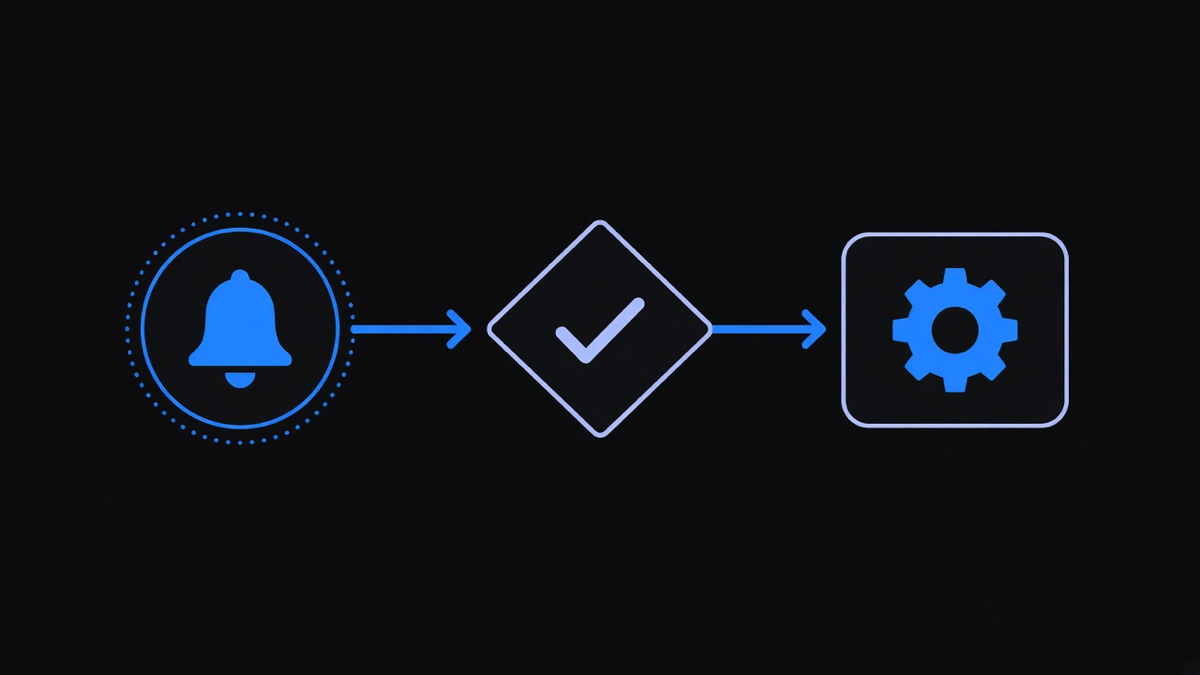
Before automation software existed, a marketer built a segment list, wrote an email, and sent it manually to that list on a schedule someone remembered to check. Marketing automation software removes the “someone remembered” part. A contact fills out a form, gets tagged, and a five-email sequence starts without anyone opening a send button. That’s it: triggers, sequences, and a record of who got what.
Where people get confused is treating “marketing automation software,” “marketing automation platform,” and “marketing automation tools” as three different products. They’re not. A platform is just automation software with more surface area, usually a CRM, an ad sync, and a reporting layer bolted onto the same trigger engine. If you want the fuller picture of how the trigger-and-sequence model works before you shop, what marketing automation is covers the mechanics in more depth than a vendor’s product page ever will, mostly because the vendor’s page is trying to sell you the platform tier.
Platform versus point tool: the actual tradeoff
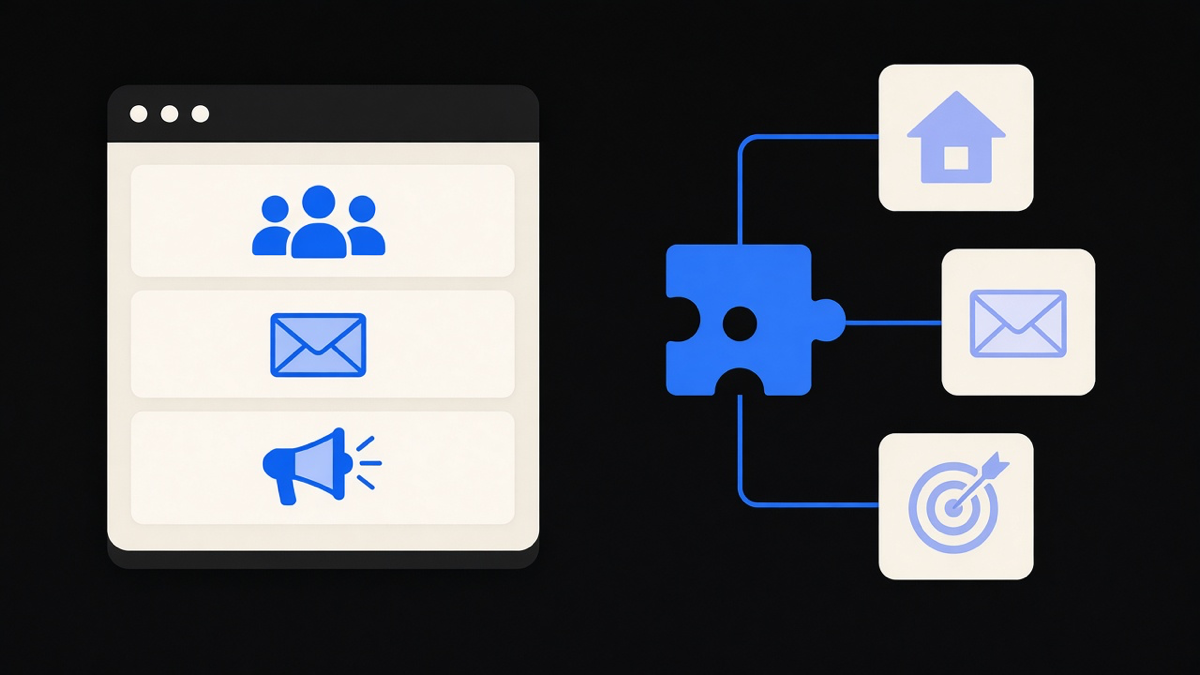
The real decision isn’t software versus platform. It’s whether you need one system that owns contacts, campaigns, and CRM data together, or several smaller tools connected by an integration. A platform like HubSpot Marketing Hub or ActiveCampaign keeps everything in one data model, which matters once your list segments depend on CRM fields like deal stage or last purchase. A point tool like Klaviyo or Omnisend does one channel exceptionally well, usually email and SMS for ecommerce, and expects you to sync contact data in from somewhere else.
Most customers only need ten to twenty percent of what a full platform offers, but end up paying for the whole thing because the pricing tiers don’t unbundle cleanly. That’s not a knock on any specific vendor. It’s how the category prices itself: the workflow builder, the AI scoring model, and the fourteen unused report templates all ship in the same monthly invoice whether you touch them or not. If your team runs one channel with a handful of triggers, a focused tool costs less and gets set up faster than a platform you’ll spend six months learning to half-use.
How to evaluate the best marketing automation software for your team
Skip the ranked listicles for a minute. “Best marketing automation software” only means something once you know which three things you’re optimizing for, because the category spans tools built for wildly different jobs. A few criteria that actually separate a good fit from a bad one:
- Channel coverage. Does it automate the channels you actually run, email, SMS, ads, in a single workflow, or does one channel require a workaround?
- Data model fit. Can it read the fields your business already tracks, deal stage, subscription tier, cart contents, or does it need a new system of record to make its automation useful?
- Build complexity versus your team’s skill. Some tools need a marketing ops person to maintain the workflow logic. Others are drag-and-drop simple but cap out fast on conditional logic.
- Exit cost. How painful is migrating contacts, workflows, and history out if the tool stops fitting in eighteen months?
Named products worth knowing by reputation, not endorsement: HubSpot and ActiveCampaign for all-in-one platforms with a CRM underneath, Klaviyo and Omnisend for ecommerce-heavy email and SMS, Customer.io for teams that want to write their own workflow logic instead of using templated ones. None of them are universally “best.” The best marketing automation tools for a five-person DTC brand and a 200-person B2B sales org share almost nothing in common except the word “automation” in their pitch decks. If you’re comparing vendors head to head instead of picking a category winner, this rundown of marketing automation companies breaks out who actually competes with whom instead of stacking everyone into one leaderboard.
Choosing for the size of business you actually run
A ten-person startup and a two-hundred-person mid-market company need different tools for reasons that have nothing to do with budget. The startup needs something a single marketer can configure without an implementation partner, usually a handful of triggers around signup, trial expiration, and abandoned checkout. The mid-market company needs role-based access, approval workflows, and integration with a CRM that sales already lives in, because marketing automation stops being a marketing-only tool once revenue attribution crosses departments.
We’ve built custom automation systems for startups where every inbound and outbound touchpoint fed a trigger-and-response system, including handoffs to third-party tools that had no native integration with each other. The lesson from that work wasn’t “buy a bigger platform.” It was that the platforms marketed as build-it-yourself often still need someone who understands the underlying data model to wire the triggers correctly, or you end up with automation that runs, technically, and does the wrong thing quietly for months. If your team is closer to the startup end of that range, marketing automation for small business walks through the tools that fit that size without the enterprise overhead.
Where automation software ends and process begins
The tool never fixes a broken segmentation strategy or a mediocre email. It just runs the bad version faster and on a schedule, which is arguably worse than a person catching the mistake before hitting send. The workflows matter more than the software brand attached to them. A well-built lead nurture sequence in a mid-tier tool will outperform a sloppy one in the platform everyone name-drops in case studies.
If you’re building your first sequences, marketing automation workflows is a better starting point than another vendor comparison, because the logic you design there is portable across almost any tool you eventually pick. And if email is the one channel you’re trying to automate well before touching anything else, email automation tools covers what these platforms do specifically for that channel and how to choose one without buying a whole marketing suite for a single sequence.
Marketing automation software is infrastructure, not strategy. Pick the platform that matches the channels and data you already have, not the one with the longest feature list, and build the workflow logic like you expect to defend every step of it in six months. Most teams won’t, and that’s exactly where the expensive platform tier starts paying for itself in confusion instead of results.