

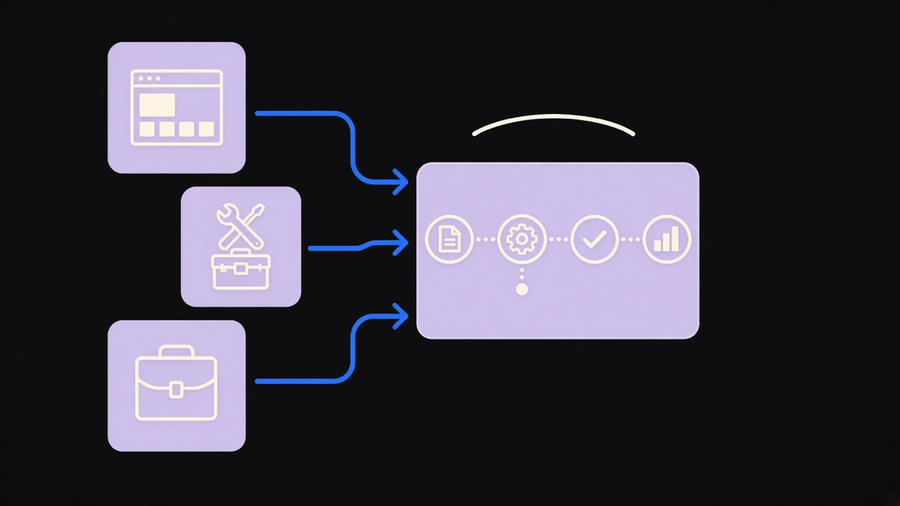
Search “business process automation companies” and you get IBM, SAP, and Salesforce sitting next to boutique implementation shops in the same ten blue links, and that is the actual problem with the query. A hyperscaler selling a workflow engine and a five-person team that shows up to map your accounts payable process are not competitors. They are different purchases that happen to share a keyword. Before you request a demo from any of them, decide which one you are actually shopping for: a platform license, a delivery team, or both.
Platform vendors, services firms, and specialists are three different shopping lists
IBM’s business automation page reads like a product line, not a project. It covers a stack of components, workflow, decisions, content, capture, all packaged for teams that already have IT staff to own the rollout. Salesforce runs the other pattern, a definitional “what is BPA” hub built to funnel Sales Cloud and Agentforce users toward automating processes they already run inside the CRM. Neither page assumes you need a vendor to build the thing for you. That is the tell.
Then there is a firm like IncWorx, whose “best BPA tools” listicle ranks Power Automate, Zapier, UiPath, and ServiceNow next to each other with no acknowledgment that a Fortune 500 IT department and a 12-person operations team need entirely different products from that list. Listing tools by popularity answers a different question than the one most searchers actually have, which is who builds this for me. A business process automation services engagement starts from your process, not from a product catalog, and that distinction is worth more than any feature comparison chart.
What a real BPA services engagement actually delivers
A services quote should break into pieces you can independently object to: discovery and process mapping, the actual build (workflow, integration, RPA if it’s genuinely warranted), change management for the humans who now do the job differently, and some form of ongoing support once the thing is live and someone forgets how it works. Vendor pages tend to blur license cost and implementation cost into one glossy number, and that is where budgets go sideways six months in.
We’ve kept our own delivery numbers boring on purpose: first proof of concept out the door in about 7 days, and we land on budget on 94% of projects because scope gets nailed down before anyone writes a workflow step. Naturally, the two projects where scope crept were both ones where the client insisted the platform vendor’s sales deck was the actual spec. It wasn’t. A deck is marketing; a statement of work is a commitment, and if a firm won’t split the two apart, that’s the question to ask again before signing.
Judging “top” without falling for a vanity list
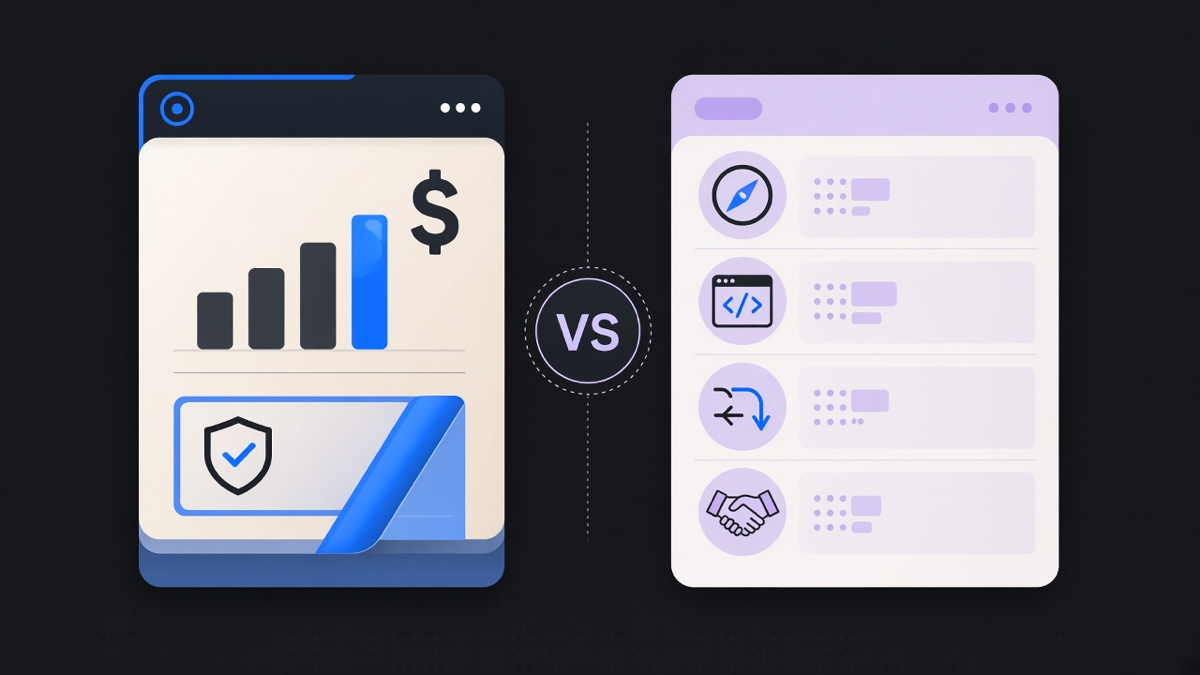
Every “top BPA companies” post eventually turns into a logo wall, which tells you who has the best marketing budget, not who fits your process. A more useful rubric asks five plainer questions: does the company understand your specific process family (accounts payable, onboarding, IT ticketing) or just automation in general, how deep does their integration actually go into your existing systems, who owns governance and audit trail once the workflow is live, do they have a named reference client in your industry, and what happens to the build if you stop paying them monthly.
That last question matters more than any analyst quadrant. A lot of BPM software vendors design their pricing so the automation stops functioning the day you cancel, which is a fine business model for them and a bad one for you if you ever want to bring maintenance in-house. Ask that question early, not during a renewal negotiation.
Buy the platform, hire the builder, or both
Platform-first vendors push citizen development, the idea that your ops team can drag and drop its way to automated workflows without a developer in the loop. Sometimes that’s true for a single approval chain. It stops being true the moment the process touches three systems, a compliance requirement, and an exception path that happens 15% of the time, which describes most real business processes the day you look closely at them.
Most customers end up using 10 to 20 percent of whatever platform they bought, while paying for the other 80 percent because the contract was structured around seats, not usage. That’s not a platform problem exactly, it’s a buying problem: nobody sat down and matched the license to the actual process before signing. A services firm that builds you the exact process automation software layer your workflow needs, on top of tools you may already own, usually costs less over three years than a platform license sized for capabilities you’ll touch twice. If your process is genuinely simple and single-system, buy the platform and skip the services conversation entirely. If it crosses systems or has real exceptions, hire the builder first and let them tell you which platform, if any, you actually need.
Fit signals: in-house team, boutique specialist, or global integrator
Global systems integrators win the multi-year, multi-system transformation where a Fortune 500 company is replacing ten legacy processes at once. That is not most companies, and it is not most automation problems. A specialist that has built forty accounts payable workflows understands the exception cases the tenth time a global SI’s junior consultant is still discovering them on your dime.
Agencies can be excellent, but only a fraction of the ones pitching automation work are actually specialized, honest about scope, and staffed by people in your time zone who understand your compliance requirements without a translation layer. Ask any BPA company for a client they built for in your exact process, not an adjacent industry with a similar-sounding case study, and watch how fast the answer gets vague.
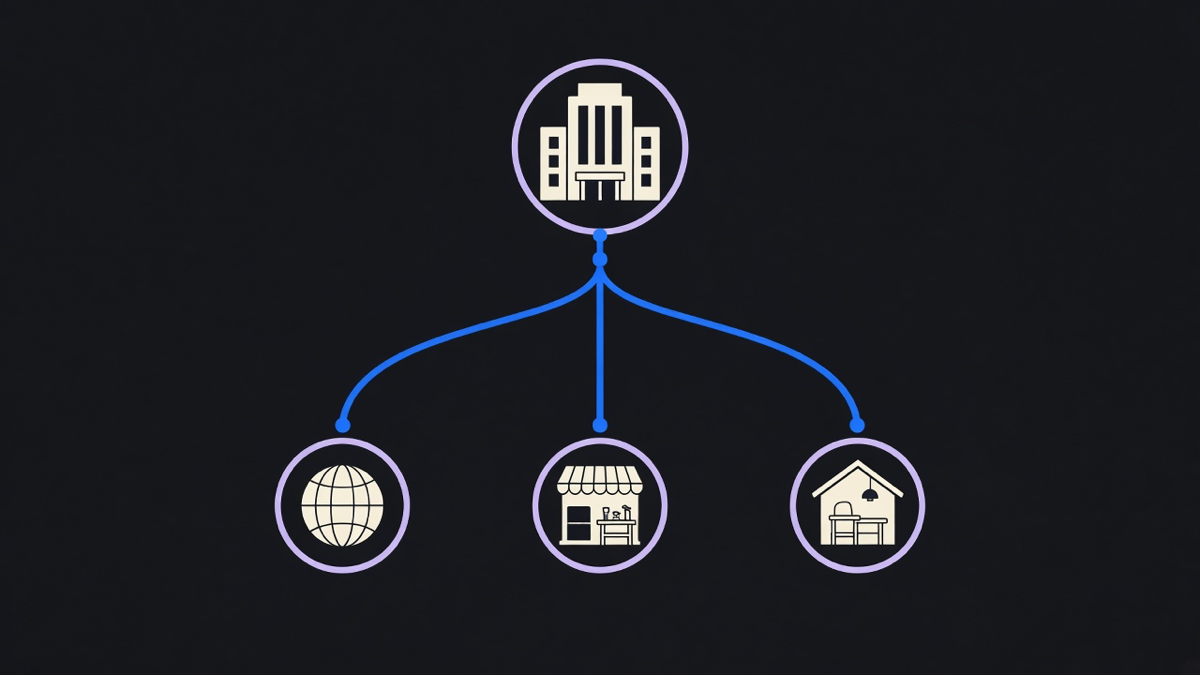
The honest starting point for most mid-market teams looking at business process automation tools is not a vendor comparison at all. It’s a conversation with someone who has actually built the process you’re trying to automate, who can tell you in twenty minutes whether you need a platform, a builder, or a rewrite of the process itself before either one matters. Our own advice on this has stayed the same for years: advisors first, technology second, because the best workflow engine in the world can’t fix a process nobody mapped correctly the first time.