


A website redesign proposal needs five things to be worth reading: a problem statement, a scope you can count, a phased timeline with dates, a price broken down by phase, and the assumptions that would change any of the above. HubSpot’s own writer learned this the hard way, submitting a proposal that was all vision and layout mockups with no numbers or expected outcomes attached. Leadership called it useless. Not wrong, not ugly, useless, because nobody could act on it.
That’s the gap between a pitch and a proposal. A pitch sells you on an agency. A proposal gives you something to compare against the next three quotes in your inbox for a website redesign. If you’re building one, or reading one somebody sent you, this is what separates the two.
What has to be in the document
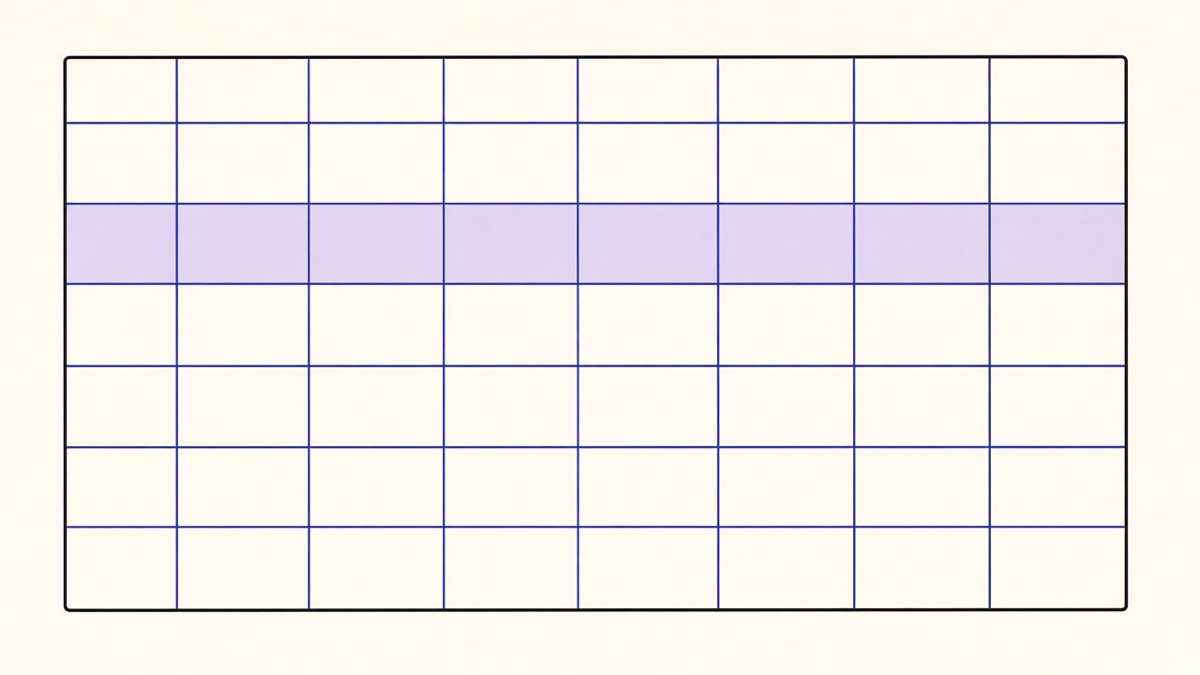
Every template that ranks for this topic lists roughly the same core: a short problem statement, a proposed solution, a deliverables list, a phased timeline, pricing, and a call to action. Squarespace Circle’s version for freelancers trims it to overview, expertise, deliverables with quantities and costs, process and timeline in three to five steps, next steps, and terms. HubSpot’s contractor template adds a scope-of-work table with calendar dates next to each deliverable, specifically so nobody can claim later that “design” meant something different to each side.
The deliverables-with-quantity part is the one agencies skip most. “Redesign and launch your site” is not a deliverable. “Twelve template pages, two rounds of revisions, one CMS training session, ninety days of post-launch support” is. If a proposal can’t be turned into a checklist, it can’t be turned into an invoice either, and that’s usually the point: vague scope gives the vendor room to call anything extra a change order later.
This is also where website redesign and custom websites work lives or dies on specificity. A proposal that says “SEO included” without naming which twenty pages get audited, or “responsive design” without saying whether that means a reflowed layout or a separate mobile build, is selling you a feeling, not a scope.
Scope and deliverables, not a pitch deck
Qwilr’s own FAQ draws the line cleanly: the proposal presents the understanding of your problem and the proposed solution, the contract is the binding agreement on commitments and money. Plenty of small shops skip the separate contract and treat a signed proposal as the starting gun, which works fine until a dispute shows up and nobody wrote down who owns the stock photos.
Emote Digital’s guidance for evaluators is blunter, and it’s the opinion worth landing here: a proposal’s polish is a weak signal. What matters is whether it names assumptions, exclusions, client dependencies, and who exactly is doing the work, not whether the deck has a hero video. A twelve-slide pitch with a nice mood board and no named assumptions is worth less than a two-page scope table, because the mood board tells you nothing about what happens when the client is three weeks late delivering copy. I’d take the boring table every time, and the cost of that choice is real: a plain scope document does less to sell you on the agency’s taste. That’s a fair trade when you’re the one paying for the work, not the one trying to win it.
Wethos frames its template as a scope of work you can later convert directly into invoices, with roughly half the line items sitting in the development phase. That’s the honest ratio. Design gets the attention in a kickoff call; development is where most of the hours go.
Price, timeline, and the assumptions that move both
Published numbers on redesign cost disagree because they’re not describing the same job. HubSpot cites a range from $3,000 to $75,000 for a quality redesign, with most reputable agencies starting around a $10,000 base package, while WebFX lists size, design, functionality, integrations, content, responsive design, and marketing as the seven drivers that move a quote inside that range. If you want the full redesign cost breakdown by project size, that’s the companion piece, but the short version is: the number means nothing without the scope attached to it.
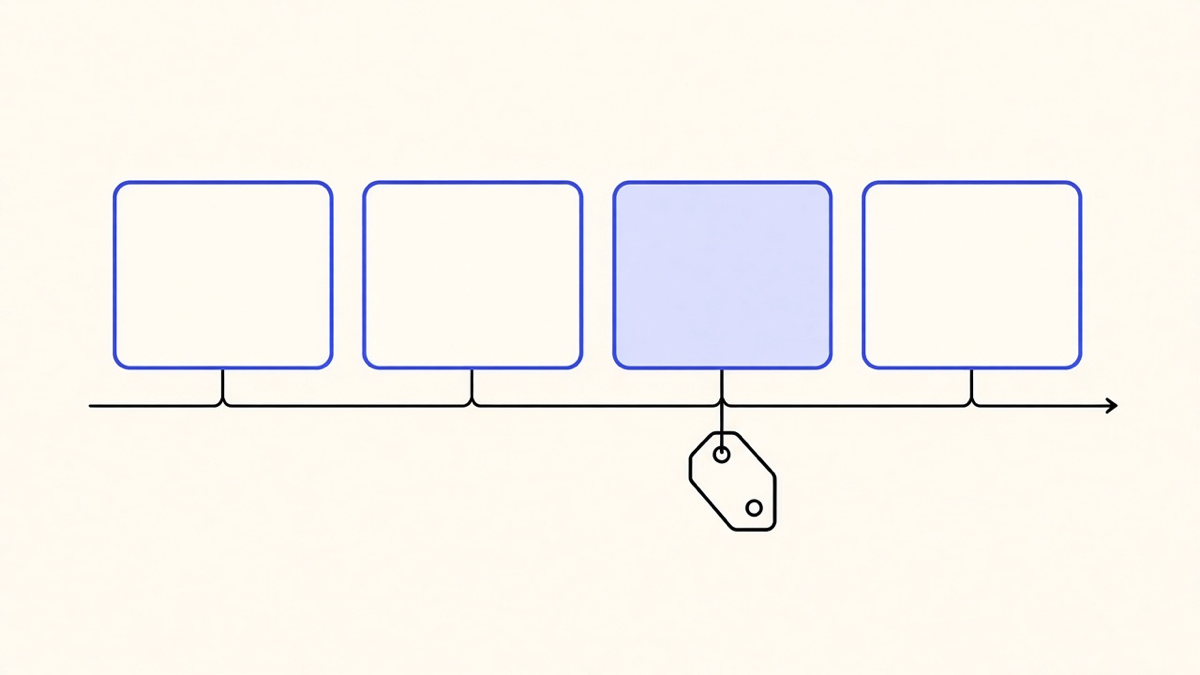
Timelines split the same way. HubSpot and Sage both land on 12 to 16 weeks as typical for a mid-sized redesign, 18 to 26 for something complex. Wix cites a wider band, four to eight months, because it’s counting a fuller infrastructure and branding overhaul, not a template-based rebuild. Neither number is wrong. They’re measuring different scopes with the same word.
The hidden variable in every one of those estimates is content. NJOIT’s own government proposal template calls out content as the swing factor explicitly: the content-gathering step runs one to two months and “depends on the amount of content,” while development runs two to three weeks depending on template count. Customer Impact’s read on this matches what we see in our own queue: content ownership, whether copy already exists or someone still has to write it, is the single biggest cause of schedule slip. We quote First PoC delivery in about 7 days on our own projects, and that number holds because we don’t start the clock until the client knows what the homepage says.
A good proposal names that assumption out loud: “timeline assumes client-provided copy is ready by week 3” is one sentence, and it’s the sentence that keeps a sixteen-week project from becoming a six-month one. Squarespace Circle’s sample terms do the same thing for cost: third-party fonts, stock photos, and anything beyond the listed revision count sit outside the quoted price. If a quote doesn’t say that, assume it’s not priced in and ask.
Proposal versus RFP, and when you need one
A website redesign RFP and a redesign proposal are not the same document, and they run in opposite directions. The RFP is what a buyer sends out to describe the problem, the goals, and the constraints, so that three to five agencies respond with comparable answers. The proposal is the agency’s response. Customer Impact treats a website brief and an RFP as nearly the same content at different degrees of formality; Sage draws a sharper line, recommending a formal RFP only for projects north of $10,000, government or corporate procurement, or multi-stakeholder decisions. Under that, a conversation and a tailored proposal usually gets you there faster, with less overhead on both sides.
Sage’s structural advice for a good RFP doubles as a decent checklist for anyone writing a brief without calling it an RFP: company context, audience, prioritized objectives, honest assessment of the current site’s problems, scope and technical requirements, a budget range (yes, state it, so vendors can fit a real solution instead of guessing), timeline, and evaluation criteria. Skip the formal document if your project doesn’t need one. Don’t skip the content.
Red flags that say the proposal is guessing
Mike Dobkowski at Glacial Multimedia, after reviewing proposals across 3,000-plus sites, points to the same failure every time: missing timeline, missing budget, missing specific objectives, which forces the agency to guess at scope before it even starts. The HubSpot team saw the reverse problem too, law-firm website pitches going out from an agency that specializes in AI SEO, proposals that never read the actual brief.
Sage’s list of weak-proposal signals holds up: generic content that could apply to any business, pricing that’s far lower with no explanation, template-heavy responses with minimal customization, and vague milestones with no dates attached. None of those are disqualifying on their own. A low price might be a smaller scope, not a bait. That’s exactly why how to read a quote matters more than comparing bottom-line numbers: if three quotes come back wildly different, the brief left too much room for interpretation, and the totals are not pricing the same job.
The fastest filter, before any of the line items: does the proposal name what’s excluded. A document that lists what you get but never says what you don’t is the one still guessing, and it’s the one most likely to show up with a change order in week six.